Yes! Don’t come to England and not visit London at least once. You will miss out on a quite a lot of old history. A visit to London will give you a great deal of background into understanding the United Kingdom.
London is very busy during the warmer and longer days of the year in spring and summer.
The autumn and winter seasons are much colder and the days are significantly shorter. The city is quieter and can be cheaper during this period.
London: Hotels
We have visited London twice recently and we stayed in a different hotel each time.
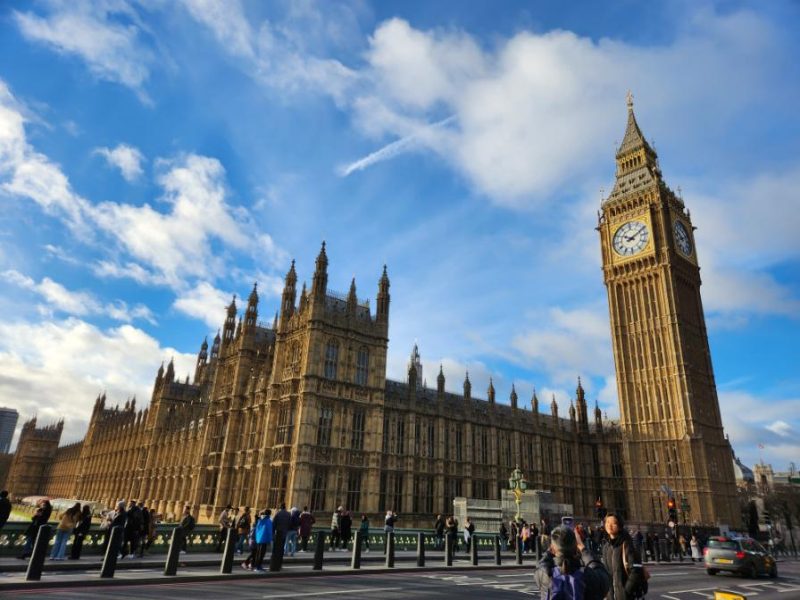
The first hotel was a three-star Comfort Inn close to Victoria train station and underground station. The hotel is only about five minutes’ walk from the main stations. It is closer to Westminster, Westminster Pier and Big Ben
The second hotel we stayed at was the four-star Millennium Gloucester Hotel in Kensington. This hotel was around the same price, despite the difference in rating and size of rooms. The Millennium Gloucester is closer to Hyde Park and Kensington Palace.
The Comfort Inn was more useful, with its access to the tube lines, as we used these daily.
London: Airports
London is essentially served by three major airports. although you will read that there are six in some other London information pages. The primary ones are;
- London Heathrow (LHR), 15m west of central London.
- London Gatwick (LGW), 28m south of central London.
- London Stanstead (STN), 35m northeast on London.
There are three others, London Luton (35m north), London City and London Southend (40 miles east). These are used mostly for holiday charter or European carriers.
For most international travel from outside Europe, the two key airports are London Heathrow and London Gatwick.
London Heathrow is linked to the underground railway network.
Gatwick takes about half hour by train to London.
We have used both the mainline train and tube to get into London; it takes about the same time on both. We have also used the taxi at night. Trying to use the tube or train and find your hotel late night in London is not fun!
What we did in London
We only had five to six nights in London each time – before we explored further away from London. I think at least five to seven days is about right, but it would be really easy to spend two weeks in London, if cities are your preference.
The official visitor guide “Visit London” lists the London’s top 10 must-see sights. This website is a valuable resource for London visitors with multiple guided tours for those that want the guiding hand.
There is simply so much to do and see, that even two weeks would probably not be long enough. We selected a number of the more major attractions, plus a couple of more child focused entertainment.
Some of the tours/attractions can take most of the day. For example:
- the Tower of London,
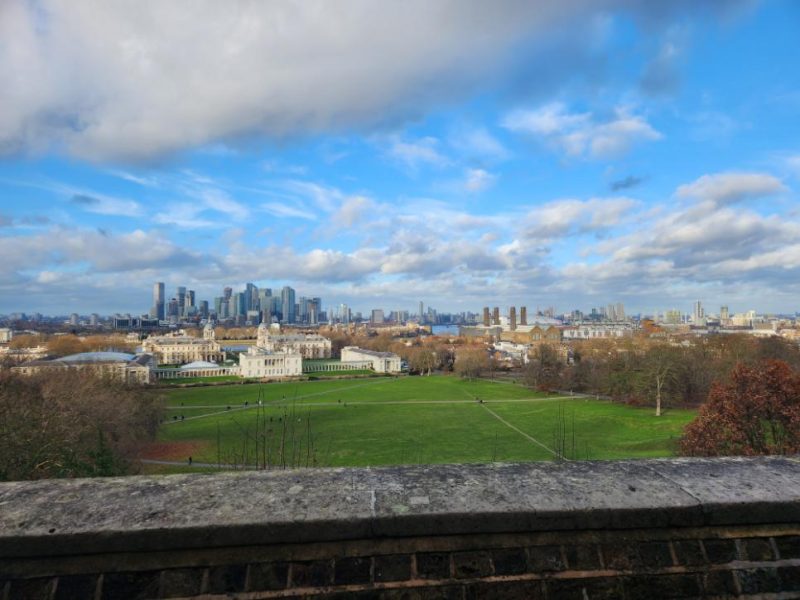
- the river tour down the Thames to Greenwich to see the Royal Observatory and
- the Cutty Sark, an old 1869 British tea clipper.
The London River Cruise to Greenwich
We saw quite a few of the historical sites from the river cruise.
- The Houses of Parliament,
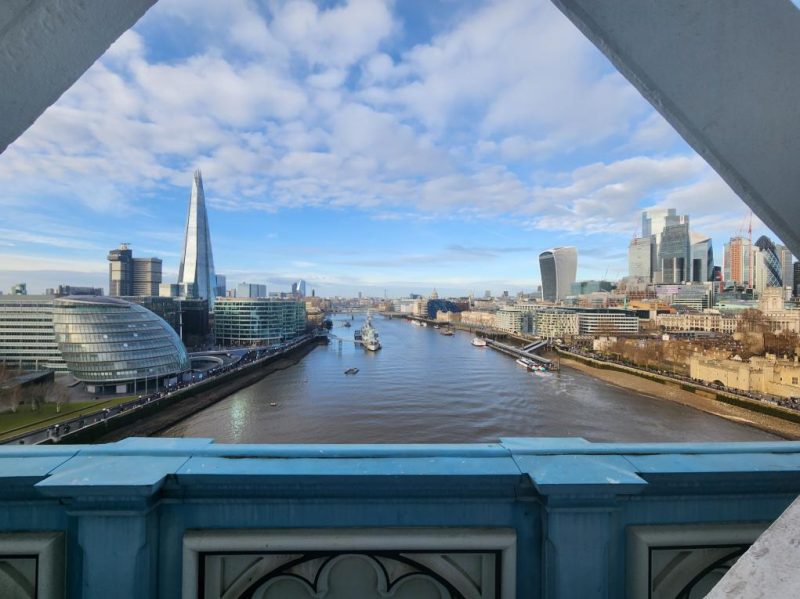
- The Tower Bridge,
- The Tate Modern, and
- The Shard
All in the reasonable comfort of the glass sided boats. If you only do one cruise on the Thames, this return cruise down Greenwich gives so much opportunity to see London from the river at its best.
London River Cruising
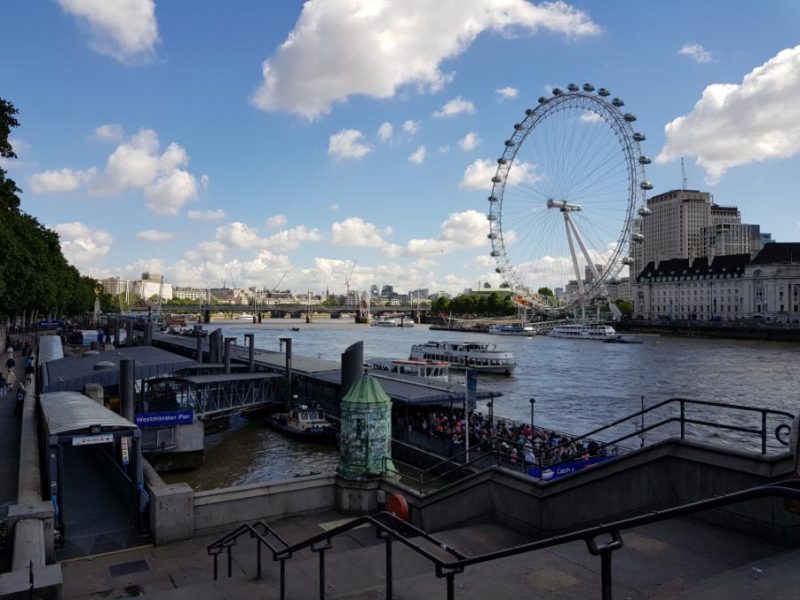
The walk or river boat ride along the Thames from Westminster Pier all the way to the Tower of London and Tower Bridge is rather impressive, especially when the weather is good.
On the other side of the river, you have the London Eye, the Aquarium, and the National Theatre. Closer to the Tower of London and Tower Bridge, you also have St Katherine Docks and the HMS Belfast moored on the river.
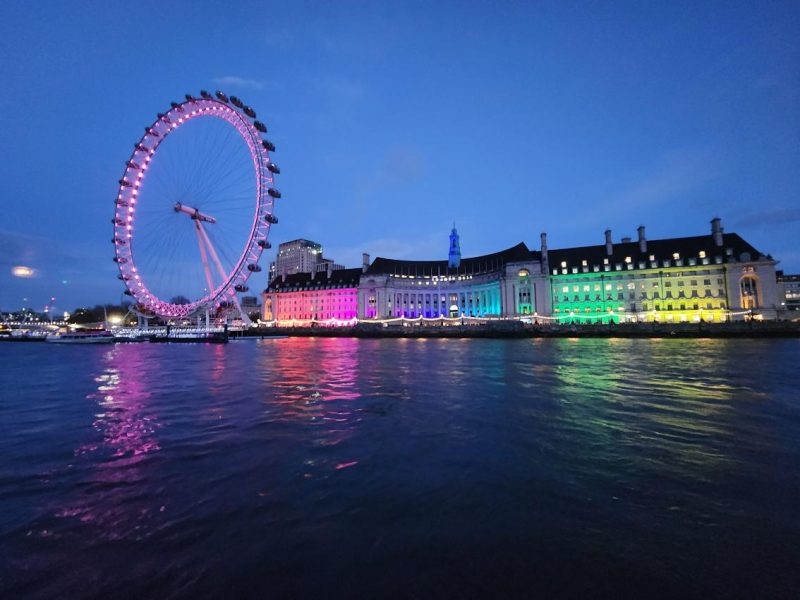
Queues at the London Eye can build up to an hour or so, with the ride itself taking half an hour. The views from the The London Eye are impressive, but its worth noting you are only at the highest point for a few minutes.
The London Shard has pretty good 360° views, its higher, and you can view for as long as you like.
London open top Busses
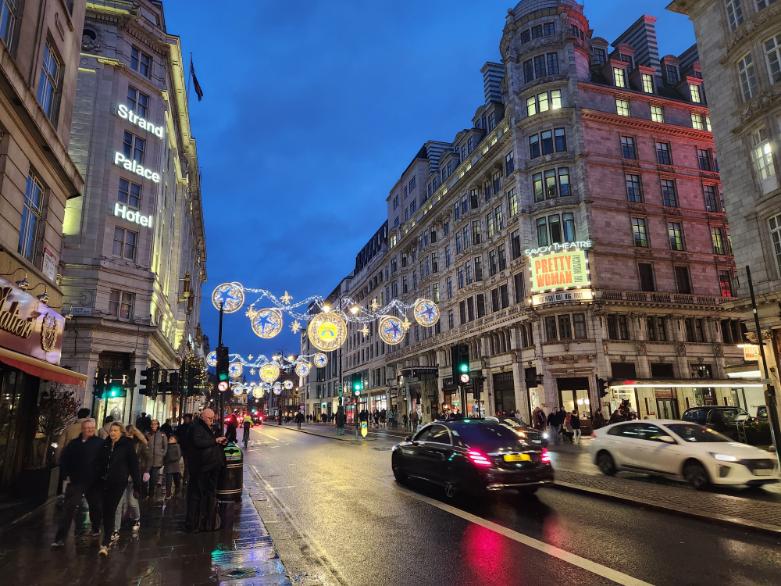
We did take one of the famous London red open-top buses for a tour around the city.
This is a very handy way to get around and see quite a few spots quickly, with the luxury of jumping off where you want.
There is also the City Visitor Trail, a self guided tour going through a few of the City of London’s impressive buildings, including St Paul’s Cathedral. Worth checking when its open through, it was closed when we got there which was a bit annoying!
Harry Potter tour to the Warner Bros studios
On one of the days, we took the Harry Potter tour to the Warner Bros studios, taking the custom Harry Potter bus to the studios. The end-to-end tour of this takes around seven hours, and while it was for the kids, I have to admit to enjoying this tour quite a bit.
Walk around London
Another day we walked through St James Park, down the Mall to Buckingham Palace and along Constitution Hill through Green Park to Hyde Park. That walk is about eight kilometers, and can take quite a lot of the day, because there are so many places to stop and look. And of course, time to eat and drink!.
London Museums
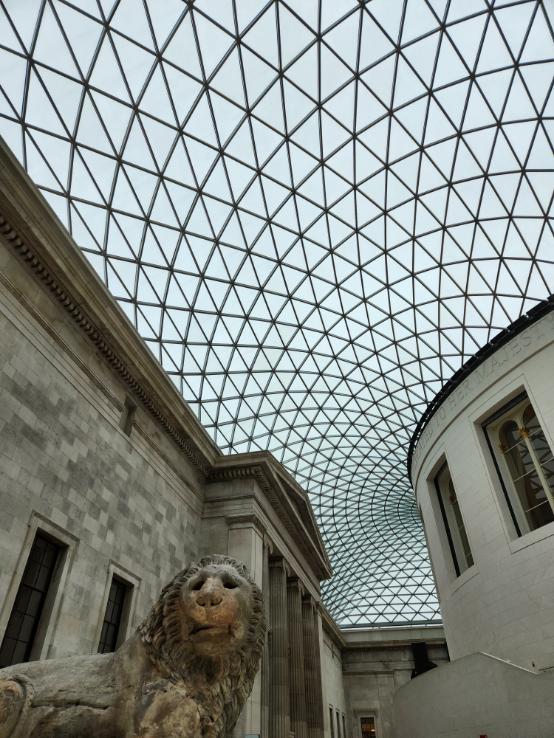
Then you have the large selection of museums to choose, we spent a good few hours at the British Museum. We had food and drink at the close by Covent Garden market and entertainment hub, filled with lights and street entertainers.
It is best to research ahead of time what you think you would like and keep it as flexible as you can weather permitting.
Plan to visit places close together. It is very easy to get around London with the underground tube network. Planning helps avoid losing valuable time underground each day.
Best time to visit London
The best time to travel to London is during Spring and Summer, and accept the fact that it will by busy:
Best Period: May to October.
The best time to visit England is late Spring through to early Autumn, with the best time being late June, July. During these periods, the daylight hours are long (up to eighteen hours in June ), giving really great long daylight evenings which are perfect for outdoor pubs and restaurants. London is at its busiest during this time as well unfortunately.
Quiet Period: November through to April.
During this period, days are much shorter, grey and pretty cold. If you don’t mind the cold too much than London can still be enjoyed, albeit with much shorter days. It can be quieter and cheaper during this period, and the cosy fireside pub culture is at its best during this period. You will need a comfortable warm coat and rain jacket or umbrella during this period.
We did stay in London over Christmas in December and looking at all our pictures, we were pretty much always in longs with jackets – with rain gear to hand.
Practical Tips before booking London
Where to stay in London?
Staying in central London, has the advantage of being close to Tower Bridge, and Tower of London. West London, Kensington, Chelsea, Notting Hill offer access to markets, such as Portobello Road Market, and several of London’s famous museums.
Victoria has the advantage of being close to main train station Victoria plus being close to Buckingham Palace, St James Park and the Apollo Victoria theatre.
Staying near Waterloo Station has the advantage of being near mainline train services plus the London Eye, the Tate Modern and Borough Market. There are simply hundreds of hotels and hostels in London, once you have a list of places in London you want to visit. Use that list to determine where might be the best place to stay to reduce travel time as much as possible.
How long should you stay in London?
We stayed in London for 6 nights, and I think that probably about right. This is making the assumption you are also looking to explore some of England’s countryside in an average two week holiday.
If cities are your preference, you could easily stay in London for the two weeks. You could take advantage of some of the full day offered tours that can take you to some locations outside London such as Windsor Castle, Stonehenge, Bath and even the Cotswolds.
Should you take the local tours?
We made our way to most attractions by ourselves, so guided tours are not absolutely necessary, and just add to the cost.
Saying that, we did use the open top tours buses a couple of times. They are very handy and informative. You can use guided tours at the Tower of London for example, we did not, and not sure that we missed much as the place is very well signed.
Do you need a London street map?
Yes – you need a great basic tourist map of London with at least the main roads and suburbs indicated. Absolutely important is the London underground map. Usually both of these can be obtained from your hotel.
Having GPS and data on your phone obviously also helps for precision navigation. London is massive with around six thousand streets in central London and upwards of seventy thousand streets in the Greater London.
Final Review of London
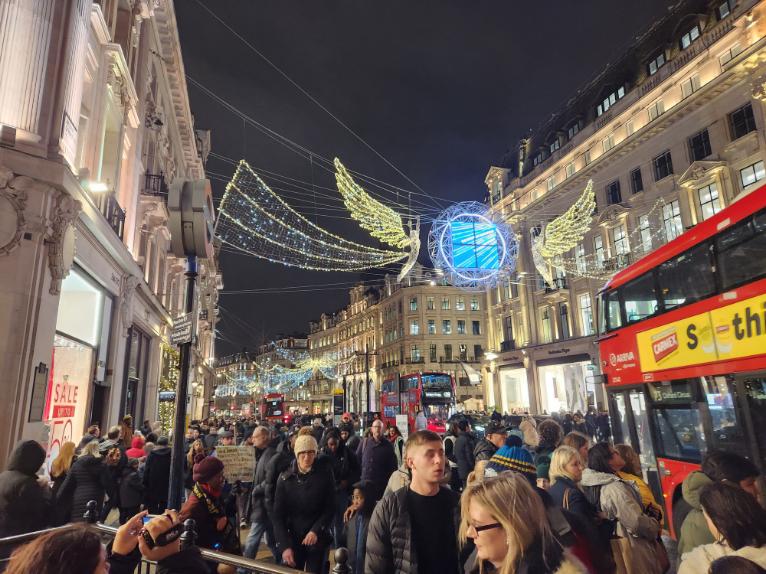
London is busy vibrant city with so much to see and explore.
It’s very difficult to explore everything in one area, without running out of time.
Limit yourselves and accept you cannot see everything, unless you want to spend two days in each location.
Within walking distance for example is Covent Garden, Leicester Square and Piccadilly Circus, Chinatown, Soho, and Pall Mall, but its impossible to explore all of that in one day.
Another example of this dilemma would be Westminster Abbey, Big Ben, Houses of Parliament, Palace of Westminster, Westminster Pier, London Eye, the London Aquarium, and the London Dungeon.
You simply cannot see everything, so you do have to select carefully.
Is it safe in London?
London is generally safe. London does suffer from a great deal of petty theft, with a lot of pick pocketing, phone mugging, and shop lifting.
The city is so busy, so petty thieves are easily lost in the crowds.
Be careful and aware, never stand in the midst of crowds looking at your phone or looking through your wallet, so you are not an obvious potential victim.
Never ever put your phone (or money) down on a counter or table in public. Always stand to the one side, even behind your friends or family while getting hold of money or your phone.